
Exploring the most popular beauty uses for apple cider vinegar (ACV) can be a useful way to understand why this inexpensive household ingredient appears so often in DIY hair and skincare routines. Its main active acid is acetic acid, which gives vinegar its characteristic low pH and strong smell.
However, natural does not automatically mean gentle or suitable for every skin type. Apple cider vinegar can cause significant irritation when it is used undiluted or left on the skin for too long, and evidence for many popular beauty claims remains limited.
In this guide, we separate the commonly discussed beauty uses for apple cider vinegar from claims that are not well established. We’ll look at potential uses for hair, scalp, feet, nails, and body care, explain important safety considerations, and show where a conventional cosmetic product may be a better choice.
How Apple Cider Vinegar Interacts With Skin
Apple cider vinegar is an acidic liquid containing acetic acid along with smaller amounts of other compounds produced during fermentation. Its low pH is one reason ACV has become popular in DIY skincare and hair-care routines.
Healthy skin has a naturally acidic surface environment, often referred to as the acid mantle. However, changing the skin’s pH with a household vinegar does not automatically mean that the skin barrier will become healthier or that irritation will improve.
The concentration and final pH of a homemade ACV mixture can also vary considerably between products and recipes. Unlike professionally formulated skincare products, homemade vinegar solutions are not standardized for cosmetic use.
For this reason, ACV should not be treated as a substitute for a properly formulated exfoliant, acne treatment, or barrier-repair product.
If your skin barrier is already irritated or over-exfoliated, a bland, fragrance-free moisturizer or barrier-supporting product is generally a more predictable choice. For a deeper comparison of two popular barrier-repair products, see our Cicaplast vs Cicalfate comparison guide.
Safety First: Using Apple Cider Vinegar on Skin
The most important consideration when using apple cider vinegar in a DIY beauty routine is irritation. Household vinegar is acidic, and applying it directly to the skin can cause burning, redness, dryness, dermatitis, and, in some cases, chemical burns.
There is no universally established clinical dilution ratio for apple cider vinegar as a facial toner or skincare treatment. Homemade mixtures can vary in acidity, and the final concentration depends on the vinegar product, the amount of water used, and how the mixture is prepared.
For that reason:
- Never apply undiluted ACV directly to your face or scalp.
- Avoid using ACV on broken, irritated, freshly shaved, sunburned, or otherwise damaged skin.
- Keep vinegar away from the eyes and mucous membranes.
- Do not combine an ACV DIY treatment with several other exfoliating or irritating products at the same time.
- Stop immediately if you experience significant burning, swelling, blistering, or persistent redness.
- If you are prone to sensitive skin, eczema, rosacea, or frequent irritation, a formulated cosmetic product is a safer and more predictable option.
A patch test can reduce the chance of a widespread reaction, but it cannot guarantee that a product will be safe for full-face application.
If ACV causes significant irritation or a suspected chemical burn, rinse the affected area thoroughly with plenty of running water. Do not attempt to neutralize the vinegar with another household chemical. Seek medical advice if the reaction is severe, persistent, blistering, or involves the eyes.
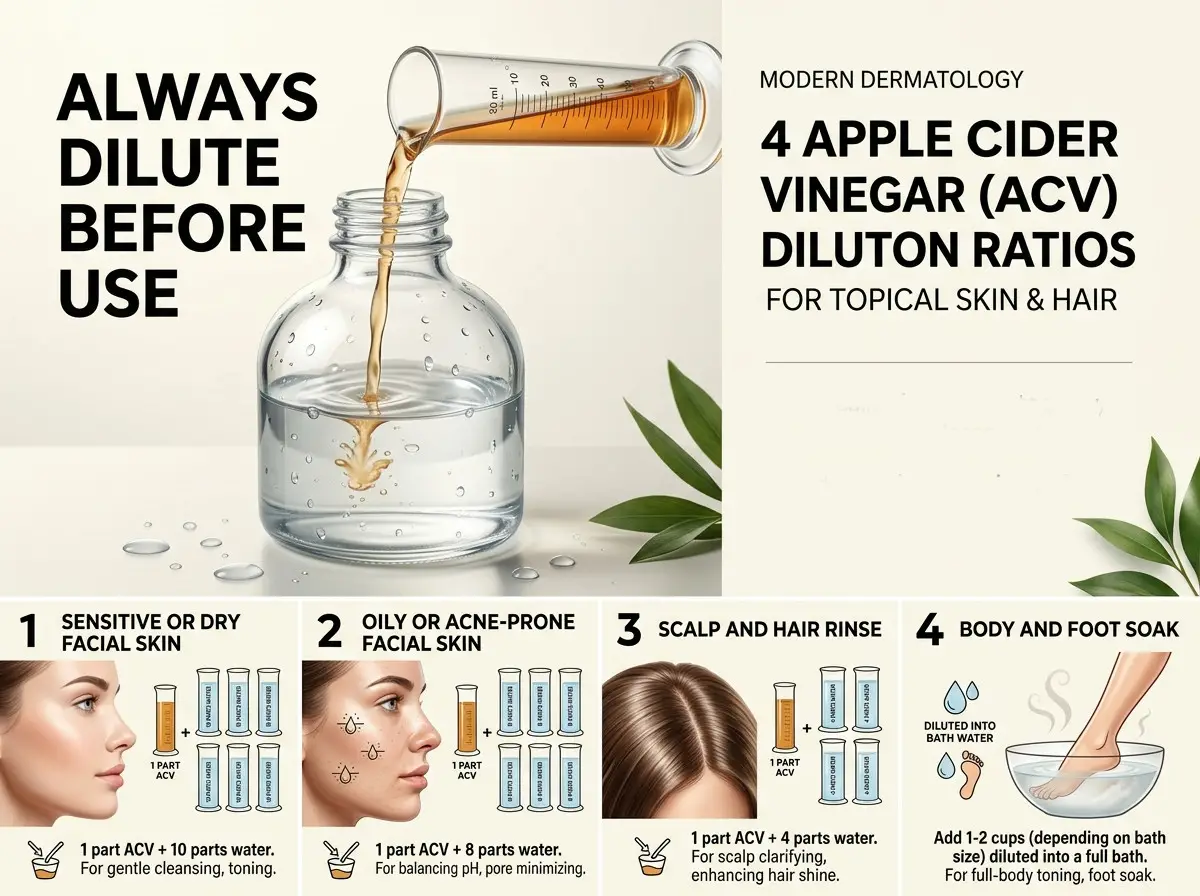
Preventing Damage: Apple Cider Vinegar Side Effects on Face & Body
Before trying any home remedy, you must understand the potential apple cider vinegar side effects on face and body tissues. Because acetic acid is a volatile keratolytc agent, improper use can quickly compromise your skin health.
Common Adverse Reactions:
-
Chemical Burns & Contact Dermatitis: Applying undiluted ACV or using incorrect dilution ratios can cause acute burning, swelling, and persistent redness.
-
Post-Inflammatory Hyperpigmentation (PIH): Severe acid irritation can trigger melanin overproduction, leaving dark spots on melanin-rich skin tones.
-
Corrosive Barrier Destruction: Over-using acidic toners strips away essential intercellular lipids, causing flaking, stinging, and extreme tightness.
-
Eye Irritation: Vapor from acetic acid can cause tearing, corneal sting, and severe discomfort if used too close to the eye area.
If you experience severe burning, neutralize the area immediately by flushing it with cool, plain water for 5 minutes. Following an acid irritation, avoid active ingredients and stick to calming makeup bases. Check out our review on the best primer for oily skin instablur review to learn how to smooth texture without irritating sensitive skin.
The 11 Best Beauty Uses for Apple Cider Vinegar
When properly diluted and clinically applied, raw fermented apple cider vinegar serves as a versatile multi-tasking ingredient for hair, face, and body care. Here are the 11 most effective beauty uses for apple cider vinegar backed by cosmetic science.
1. Clarifying Scalp and Hair Rinse
Environmental pollutants, hard water minerals, and styling products create a stubborn film over the hair shaft, weighing down natural curls and dulling shine. Using an apple cider vinegar for hair rinse dissolves product buildup, smooths ruffled hair cuticles, and restores a high-gloss reflective shine without stripping natural scalp moisture.
2. Balancing ACV Toner for Acne Prone Skin
Overactive sebaceous glands and an elevated skin pH create an ideal environment for acne-causing bacteria (Cutibacterium acnes). Utilizing an acv toner for acne prone skin lowers surface pH, provides mild AHA exfoliation, and reduces excess surface oiliness while keeping micro-flora balanced.
3. Soothing Foot Soak for Odor and Calluses
The natural antimicrobial properties of acetic acid help eliminate odor-causing bacteria and fungi on the feet. Soaking dry, tired feet in a warm water and ACV mixture softens tough calluses and keeps the heel barrier smooth and refreshed.
4. Post-Shave Calming Astringent
Razors often create microscopic tears in the stratum corneum, leading to razor burn, ingrown hairs, and folliculitis. A ultra-diluted ACV splash acts as a natural astringent that tightens pores, calms minor irritation, and prevents post-shave bacterial growth.
5. Natural Nail Cleansing Treatment
Before applying nail lacquer or gel treatments, wiping fingernails with a cotton pad soaked in diluted ACV removes residual hand oils and moisture. This simple pre-manicure prep helps nail polish adhere better and prevents premature chipping.
6. Gentle Body Clarifying Treatment
Adding diluted organic vinegar to your bathwater helps balance overall skin acidity, soothing widespread body itching, back acne (backne), and dry skin tightness caused by harsh tap water chemicals.
7. Sunburn Relief Mist
Overexposure to UV radiation triggers widespread inflammation and thermal barrier damage. A cool, highly diluted ACV mist applied to sunburned skin can help temporarily ease the hot, stinging sensation while supporting the skin’s natural recovery process.
8. Cuticle Softener and Brightener
Rough, ragged cuticles benefit greatly from the natural alpha-hydroxy acids present in raw vinegar. Soaking fingers in a diluted ACV solution gently loosens dead skin cells around the nail bed, making them easy to push back without aggressive trimming.
9. Facial Steam Enhancer
Adding a tablespoon of raw ACV to a bowl of hot water creates a gentle, acid-infused steam. As the warm vapor opens pores, the volatile organic acids help soften stubborn sebum plugs and blackheads prior to extraction.
10. Natural Underarm Deodorizing Solution
Body odor occurs when sweat mixes with skin-dwelling bacteria. Applying a diluted ACV mixture with a cotton ball creates an acidic environment where odor-causing bacteria cannot thrive, serving as an effective aluminum-free deodorizer.
11. Insect Bite Soother
Bug bites cause localized histaminic reactions characterized by itching, swelling, and redness. Dabbing a diluted ACV drop directly onto a mosquito bite helps neutralize the itch sensation and reduces localized swelling.
How to Use an Apple Cider Vinegar Hair Rinse More Safely
An apple cider vinegar for hair rinse is a popular DIY option for people looking to reduce residue and improve the feel of their hair. However, evidence supporting its effects on hair growth, dandruff, and long-term hair health is limited.
Unlike a professionally formulated hair product, a homemade vinegar rinse does not have a standardized concentration or a tested pH. This makes it difficult to recommend a universal recipe that will be suitable for every scalp and hair type.

What to Consider Before Trying an ACV Rinse
- Start with your existing hair-care routine: A gentle shampoo is usually sufficient for routine cleansing.
- Avoid concentrated vinegar: Never apply undiluted ACV directly to the scalp or hair.
- Protect your eyes: Keep vinegar away from the eyes and rinse thoroughly if accidental contact occurs.
- Avoid irritated skin: Do not use ACV on a scratched, inflamed, or otherwise damaged scalp.
- Stop if irritation develops: Burning, itching, redness, or unusual dryness are reasons to discontinue use.
If your main concern is persistent dandruff, scalp inflammation, or hair loss, consider a product formulated for that specific concern or consult a qualified healthcare professional.
Our take: An ACV rinse is an optional DIY experiment, not a necessary step for shiny, healthy hair. A well-formulated conditioner or clarifying shampoo offers a more predictable approach to managing residue and improving hair feel.
Is an ACV Toner for Acne-Prone Skin a Good Idea?
An acv toner for acne prone skin is frequently discussed in DIY skincare, but household apple cider vinegar is not a well-established acne treatment. Its acidity does not guarantee that it will reduce breakouts, control oil production, or improve the skin barrier.
Homemade toners also lack the formulation controls used in commercial skincare products. Their final acidity and stability can vary, while additional ingredients such as essential oils may introduce further irritation risks.
What to Use Instead
If you have acne-prone skin, consider products formulated specifically for that concern. Salicylic acid may help unclog pores, while benzoyl peroxide is an established option for certain types of acne. Suitability depends on your skin and the product formulation, and either ingredient can cause irritation.
Avoid applying homemade ACV toner to inflamed or broken skin, and do not combine vinegar with multiple exfoliating treatments.
Our recommendation: We do not recommend DIY ACV toner as an acne treatment. A properly formulated skincare product is a more predictable choice.
What to Do if Apple Cider Vinegar Irritates Your Skin
Apple cider vinegar can cause irritation and, in some cases, chemical burns. If you experience significant burning or discomfort after applying ACV, stop using it immediately.
- Rinse the area thoroughly: Use plenty of cool or lukewarm running water. Do not attempt to neutralize the vinegar with baking soda or another household chemical.
- Avoid further irritation: Do not apply additional acids, exfoliants, essential oils, or fragranced products to the affected area.
- Watch for concerning symptoms: Persistent pain, blistering, swelling, or significant redness warrants medical advice.
- Get urgent help for eye exposure or serious injury: Flush exposed eyes with clean running water and seek urgent medical guidance.
Do not rely on a moisturizer or a DIY remedy to treat a suspected chemical burn. The appropriate next step depends on the severity and location of the injury.
Apple Cider Vinegar vs. Formulated Cosmetic Acids
Apple cider vinegar is not interchangeable with professionally formulated exfoliating products. Although all involve acids or acidic solutions, their composition, intended use, and supporting evidence differ.
| Feature | Apple Cider Vinegar | Salicylic Acid | Glycolic Acid |
|---|---|---|---|
| Type | Household fermented vinegar containing acetic acid | Beta hydroxy acid (BHA) | Alpha hydroxy acid (AHA) |
| Common cosmetic context | DIY hair and skincare routines | Formulated products for clogged pores and acne-prone skin | Formulated products for exfoliation and uneven texture |
| Standardized cosmetic formulation | Varies by vinegar and homemade mixture | Depends on the specific product | Depends on the specific product |
| Evidence for cosmetic use | Limited for many popular DIY claims | Established uses in appropriately formulated products | Established uses in appropriately formulated products |
| Main caution | Irritation and potential chemical burns | Irritation and dryness | Irritation and dryness |
The most important distinction is not whether an ingredient is natural or synthetic. It is whether the finished product is appropriate for the intended use, formulated consistently, and supported by relevant evidence.
Frequently Asked Questions (FAQ)
What are the main beauty uses for apple cider vinegar?
Popular beauty uses for apple cider vinegar include DIY hair rinses, foot-care soaks, and homemade skincare experiments. However, evidence for many of these uses is limited, and household vinegar is not a substitute for formulated cosmetic or medical treatments.
How do I use an apple cider vinegar hair rinse without smelling like vinegar?
The vinegar scent may fade as hair dries, but the result depends on the amount used and how thoroughly the hair is rinsed. An ACV rinse is optional; a conventional conditioner or clarifying shampoo is a more predictable alternative for improving hair feel and managing residue.
Can an ACV toner for acne-prone skin cure hormonal breakouts?
No. An acv toner for acne prone skin is not an established treatment for hormonal acne or other forms of acne. Consider evidence-based acne products or consult a dermatologist if breakouts are persistent, painful, or causing scarring.
How should I dilute apple cider vinegar for skin?
There is no universally established clinical dilution ratio for ACV as a facial skincare treatment. Homemade mixtures can vary in acidity, so a specific water-to-vinegar ratio cannot guarantee safety. We do not recommend DIY ACV facial toners.
What are the most common apple cider vinegar side effects on the face?
Potential apple cider vinegar side effects on face skin include burning, stinging, redness, dryness, irritation, and chemical burns. More severe irritation can sometimes leave changes in skin pigmentation. Avoid applying ACV to damaged skin or near the eyes, and rinse thoroughly if irritation occurs.
Final Verdict: Are Beauty Uses for Apple Cider Vinegar Worth Trying?
The popularity of beauty uses for apple cider vinegar does not mean that every DIY recipe is effective or suitable for the skin. ACV remains a household ingredient with limited evidence for many of its most widely promoted beauty applications.
Some people experiment with diluted vinegar rinses for their hair, but results can vary, and an ACV rinse is not essential for healthy hair. Homemade facial toners are harder to recommend because their acidity is not standardized and irritation is a real concern.
For acne, persistent dandruff, sensitive skin, or a compromised skin barrier, products formulated for the specific concern are generally more predictable choices.
The bottom line: Natural ingredients still require careful evaluation. Rather than following every viral DIY beauty trend, choose products based on their intended use, formulation, and available evidence.
The My Beauty Box Review editorial team writes about DIY skincare, beauty subscription boxes and clean beauty. We link our sources and include safety notes. We are not dermatologists or cosmetic chemists.

